
Arc Connected Rider
Arc Lab develops human–machine interface technology and connected vehicle systems, focused on building the Arc Connected Rider platform.
What is Arc connected rider?
Designed for Motorcyclists
Arc Connected Rider is a scalable platform integrating vehicle-to-everything (V2X) communication with human–machine interface (HMI) systems.
Our system extends situational awareness and enables real-time hazard prediction without taking away the freedom, instinct and emotion that make travelling by motorcycle matter.
Motorcycle visibility
within connected
traffic systems
What is V2X?
V2X communication enables road vehicles to exchange real-time data with surrounding vehicles, infrastructure, and connected systems.
Where do riders fit?
Motorcycles are underrepresented in connected traffic systems. Arc Connected Rider is designed to make them more visible.
Arc’s V2X integration keeps motorcyclists actively connected to the road around them. It enhances awareness, predicts hazards and filters information into clear, prioritised alerts delivered at the moment they matter.
Arc’s V2X integration keeps motorcyclists actively connected to the road around them. It enhances awareness, predicts hazards and filters information into clear, prioritised alerts delivered at the moment they matter.
How does Arc process V2X data for motorcycles?
Arc's V2X Intelligence Layer
Rider-Relevant Data Filtering
Filters safety-critical events around motorcycle dynamics, rider behaviour and road context
Predictive Risk Scoring
Calculates collision risk using trajectory prediction, lean angle, acceleration and changing road context.
Wearable System Integration
Provides modular integration with OEM platforms, helmets, applications and V2X hardware stacks.
Multi-Sensor Fusion
Combines V2X inputs with radar, camera, IMU and GPS for wider awareness.



Critical information
delivered without
distraction
A sixth sense for the rider
Arc’s Human Machine Interface (HMI) redefines how information reaches the rider by combining visual, audio and haptic feedback into a unified system.
How should information feel?
Only what matters, only when it matters. Arc HMI filters complex data into clear, intuitive signals that support the rider without breaking concentration.
Arc’s HMI technology translates data into immediate understanding, reducing cognitive load and enabling faster, more confident decision-making in dynamic environments. Modular by design, it integrates across rider equipment and vehicle platforms to support the rider’s connection to the machine, the road and the journey ahead.
Information you can feel
Haptic Feedback Systems
Directional Haptic Alerts
Delivers precise, location-based feedback to communicate hazards and environmental changes without visual distraction
Real-Time Sensory Translation
Converts dynamic riding data into intuitive physical cues that enhance rider awareness and control
Wearable System Integration
Designed for seamless integration into third-party garments and wearable systems across multiple brands
Adaptive Feedback Logic
Haptic responses adjust based on speed, environment, and rider context to ensure relevance and clarity
Clarity through sound
Intelligent Audio Cues
Spatial Audio Alerts
Delivers directional sound cues to indicate the location of hazards and support faster, more intuitive rider response
Context-Aware Audio Prioritisation
Filters and prioritises critical information so alerts remain clear and relevant in high-demand environments
Seamless Helmet Integration
Designed for in-helmet audio integration, supporting communication, navigation and safety alerts
Adaptive Sound Design
Adapts audio feedback around speed, environment and rider workload to maintain clarity without overload
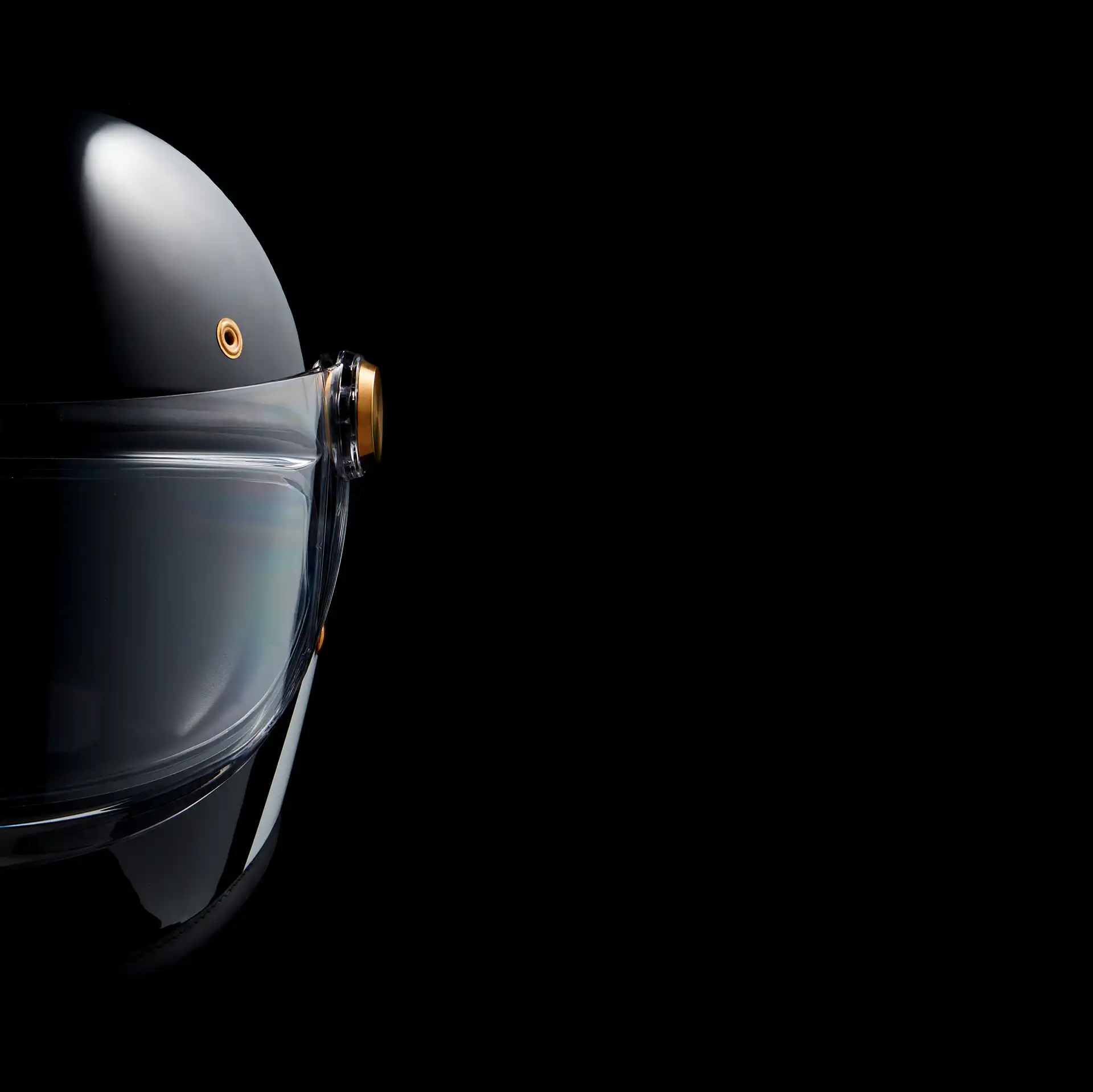
Eyes forward. Always
HUD & Visual Systems
Integrated Head-Up Display (HUD)
Projects critical ride data directly into the rider’s field of view, reducing the need to look away from the road
Real-Time Performance & Positioning Data
Delivers speed, navigation and system feedback instantly, improving situational awareness without visual overload
Wireless and voice-controlled system
Connects to the motorcycle and rider equipment with intuitive voice operation and wireless system control
Arc’s vision is to make motorcycles fully visible within the connected vehicle environment.
Questions?
We’ve got answers
What is the Arc Connected Rider System?
Arc Connected Rider is Arc Lab’s scalable platform for motorcycles, combining V2X communication with human-machine interface technology. It filters connected vehicle data into rider-relevant visual, audio and haptic cues that improve awareness without increasing distraction.
How does Arc’s V2X system improve motorcycle safety?
Arc Connected Rider is Arc Lab’s scalable platform for motorcycles, combining V2X communication with human-machine interface technology. It filters connected vehicle data into rider-relevant visual, audio and haptic cues that improve awareness without increasing distraction.
Can Arc Connected Rider integrate with third-party platforms?
Yes. Arc Connected Rider is designed as a modular, platform-agnostic system for integration with OEM vehicle architectures, helmets, garments and third-party rider equipment.
What makes Arc’s HMI approach different from other rider interfaces?
Arc’s HMI approach combines visual, audio and haptic feedback into a unified rider communication system. Instead of adding more screens or distraction, it translates critical data into intuitive awareness that supports faster, more confident decisions.
Why do motorcycles need connected vehicle technology?
Motorcycles are often less visible within traffic systems and more exposed to changing road conditions. Connected vehicle technology helps motorcycles become active participants in the wider road environment by sharing position, risk and hazard data in real time.